LEGACYHUMANS
Artwork already existed. The decision was how to sell it: lower-priced prints at volume, or smaller editions at a much higher price.
I chose the latter, but it came with a challenge: an unknown artist with no audience, reputation or social proof was going to ask strangers to spend $900 USD.
The artwork alone couldn't carry that.
The brand needed a position people could identify with.
I developed a philosophy exploring the tension between technological progress and human experience.
It needed a phrase the brand could own.
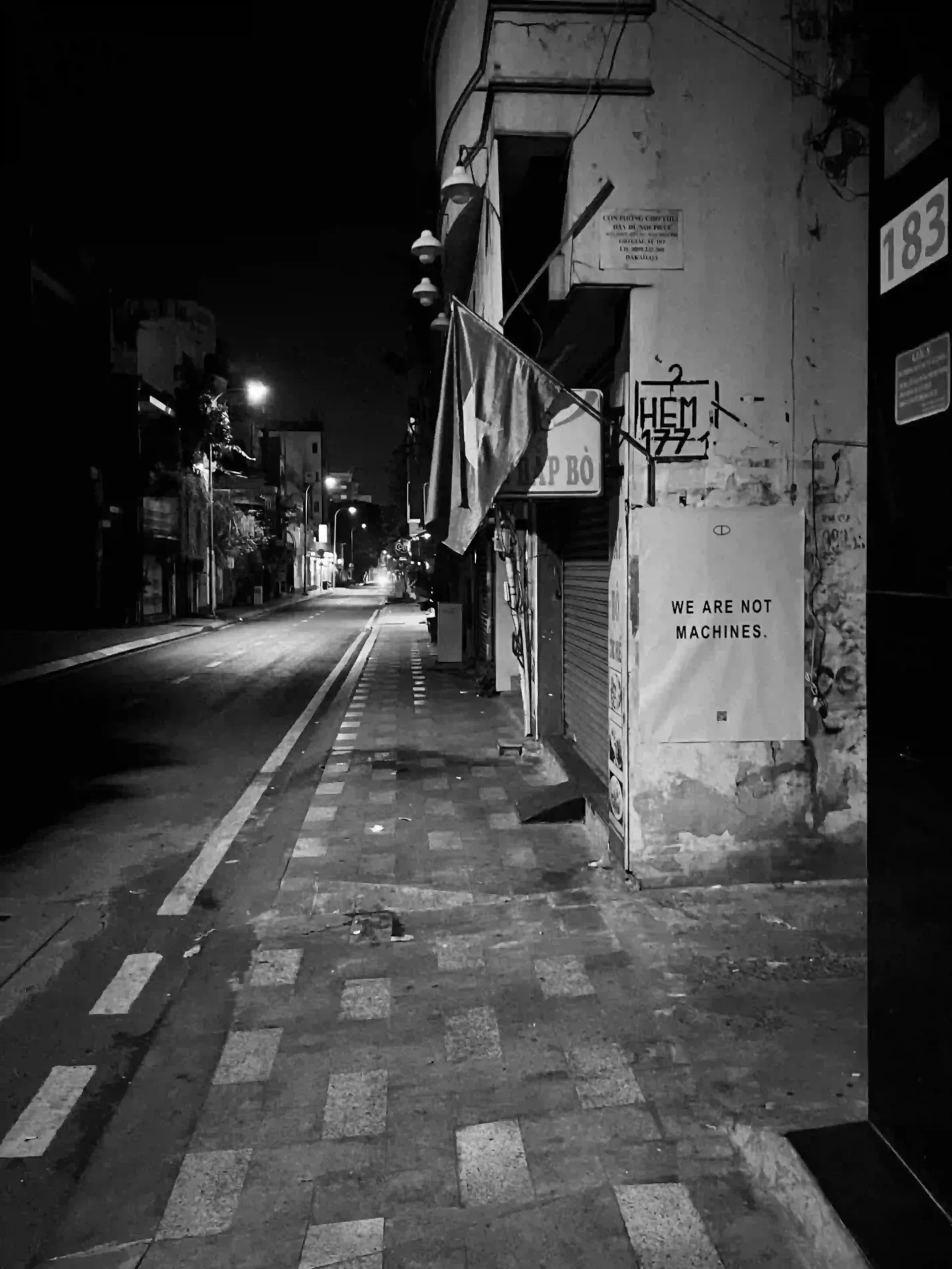
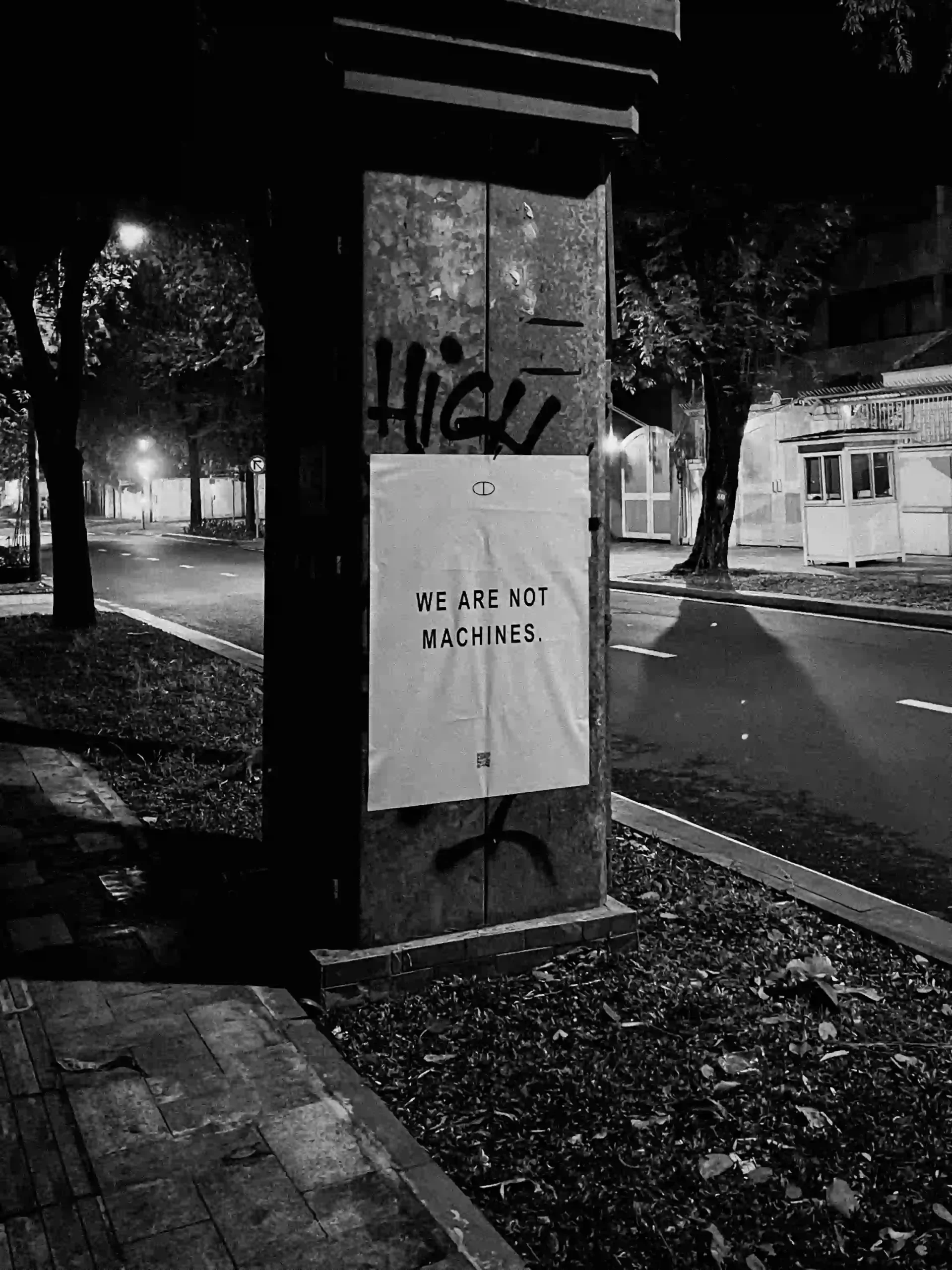
WE ARE NOT MACHINES.
It compressed the philosophy into a statement that intentionally left the tension unresolved, allowing people to project their own meaning onto it.
The artwork became part of a larger idea.
Luxury brands weaponise restraint.
My belief was that if LEGACYHUMANS could look, feel and behave like an established luxury brand, it could create enough perceived legitimacy for someone to trust it at $900 USD.
The entire system was governed by a single principle: do not break the illusion.
I put this hypothesis to the test.
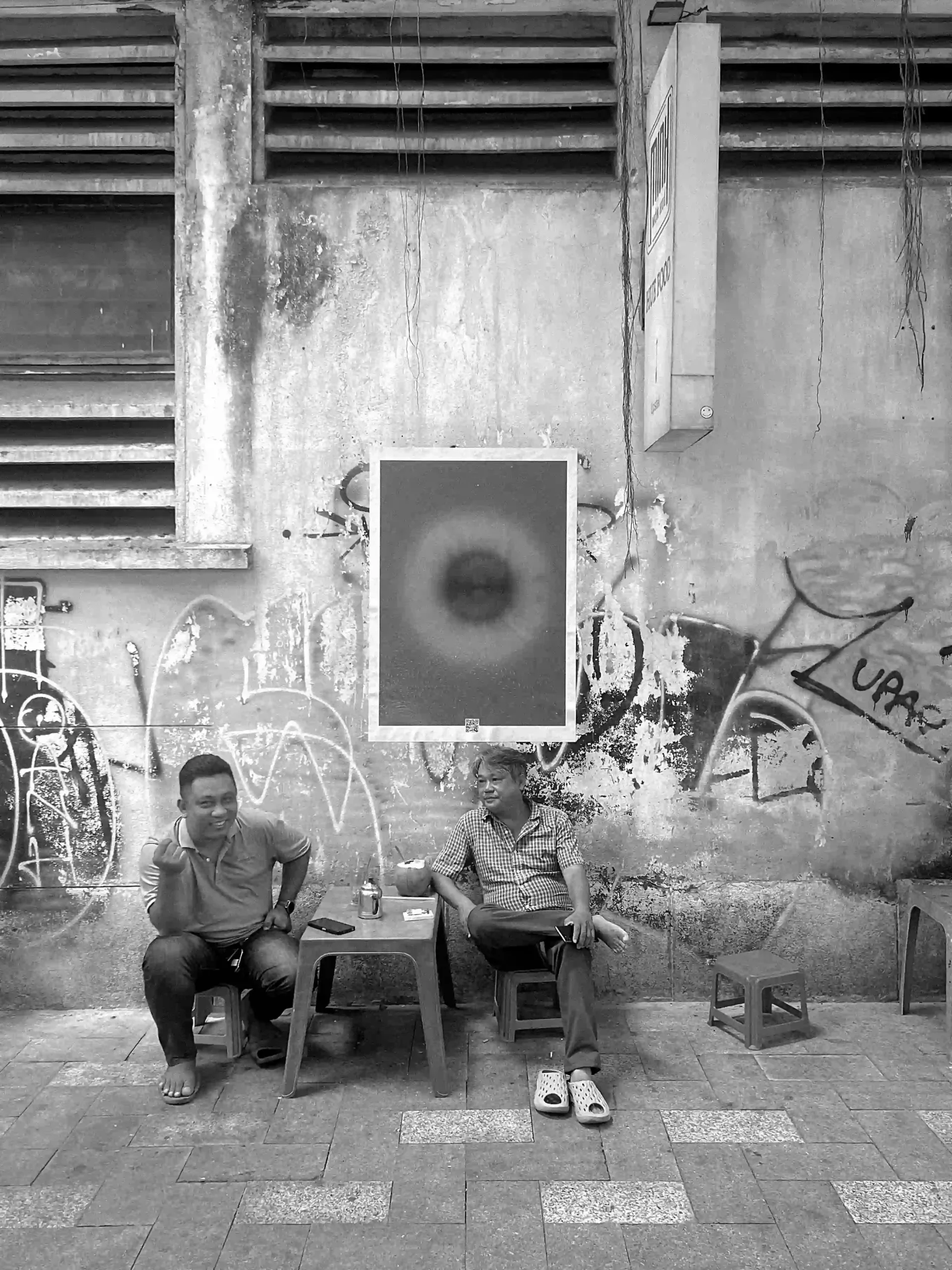
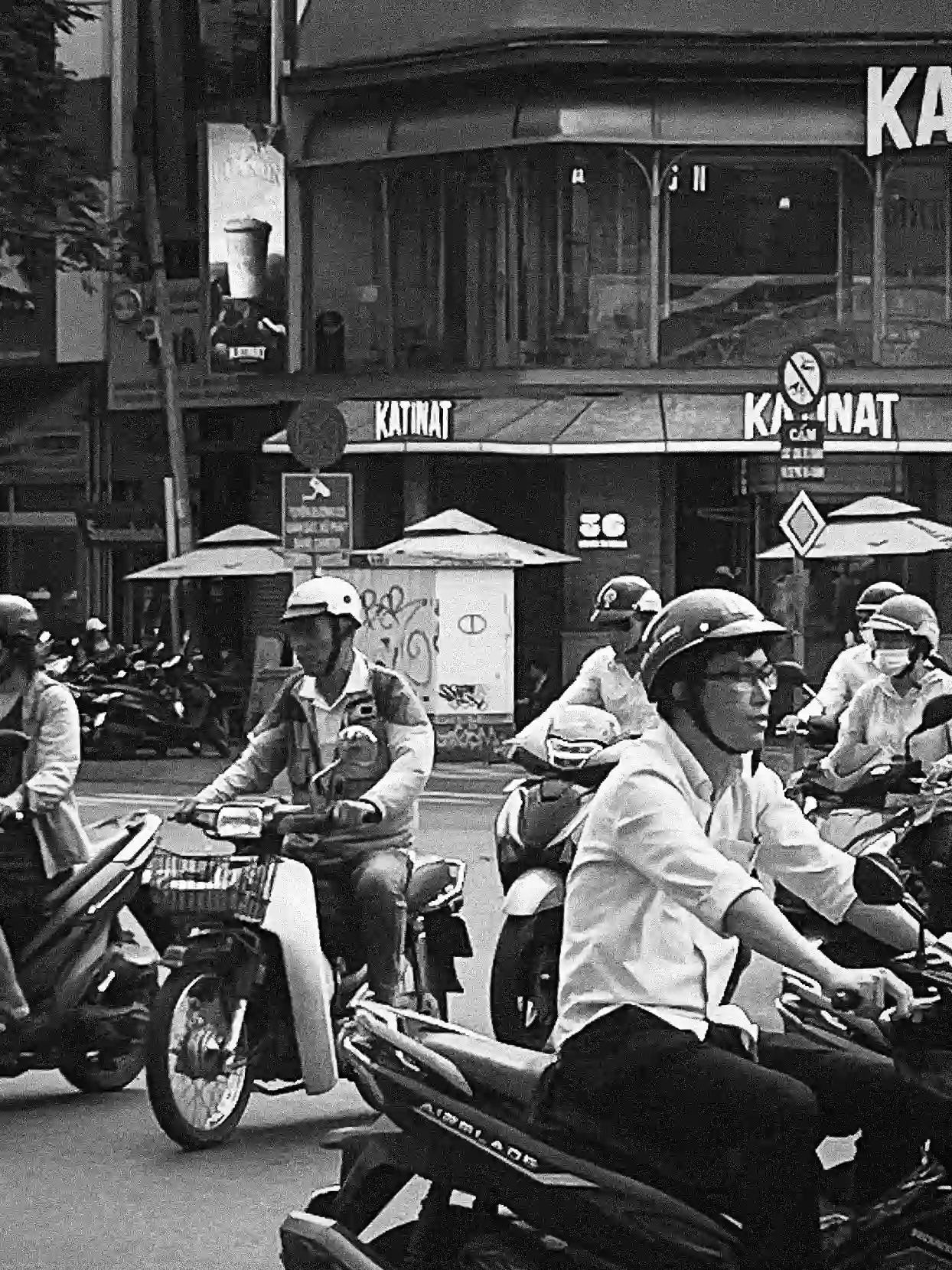
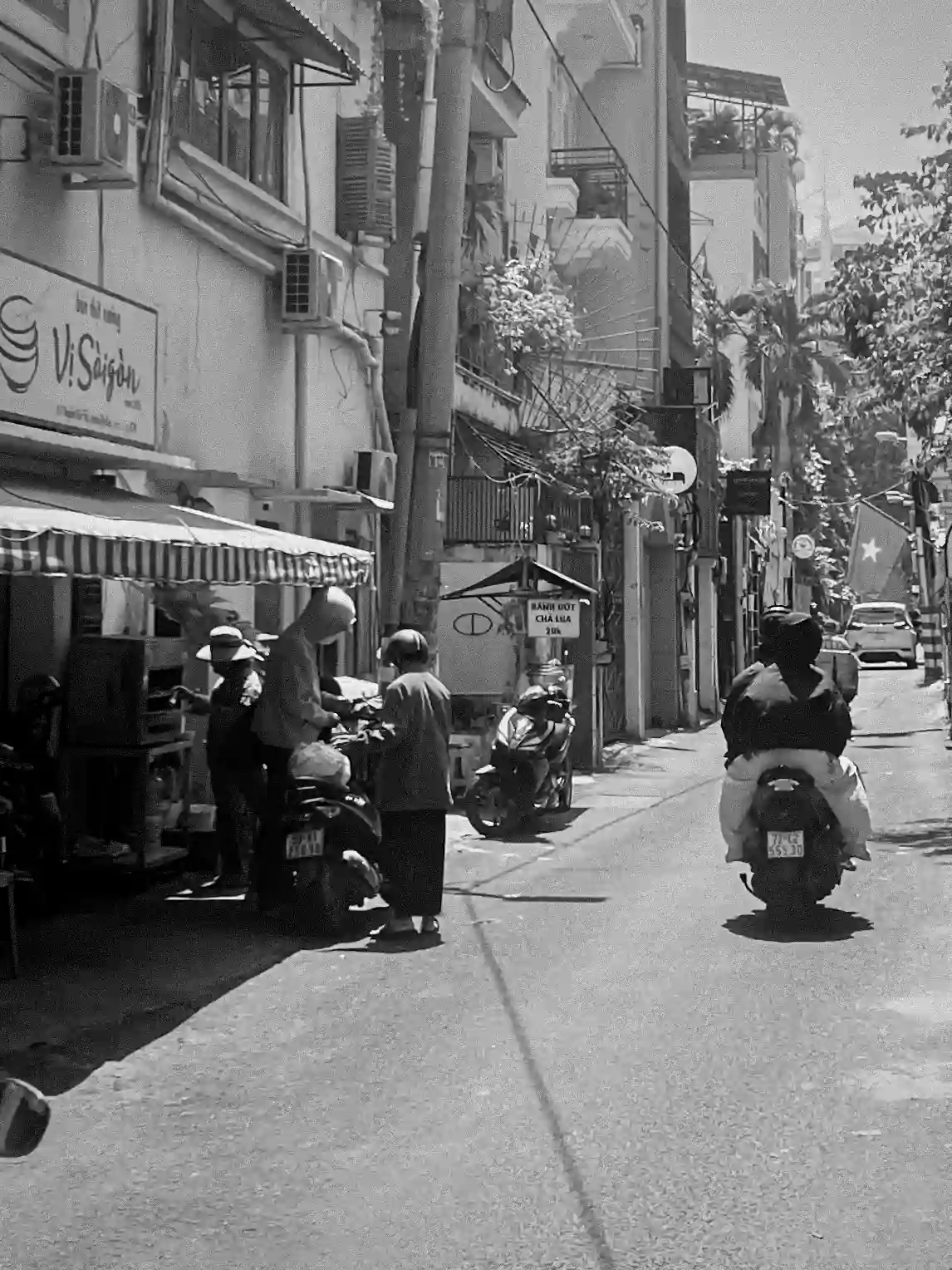
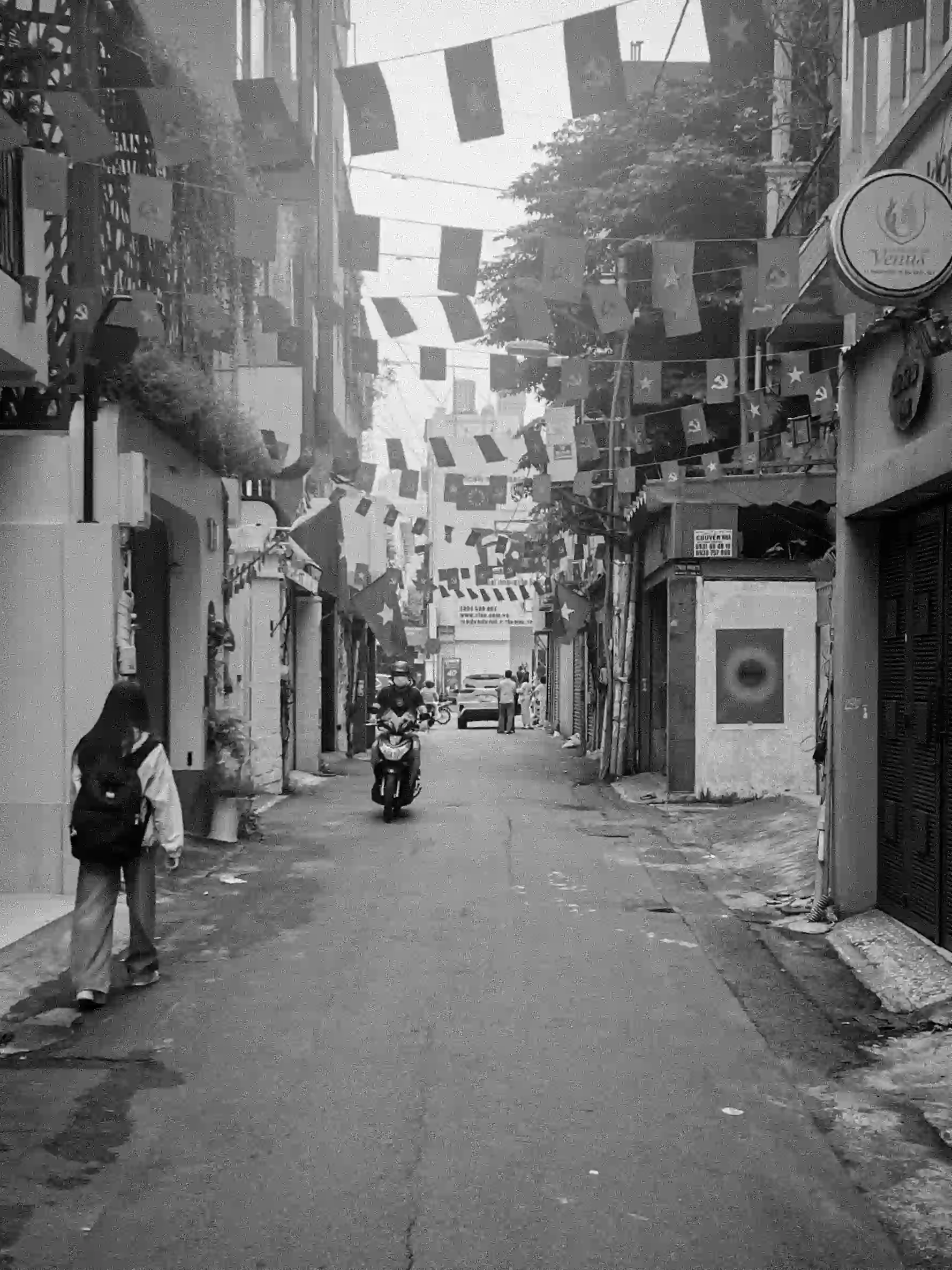
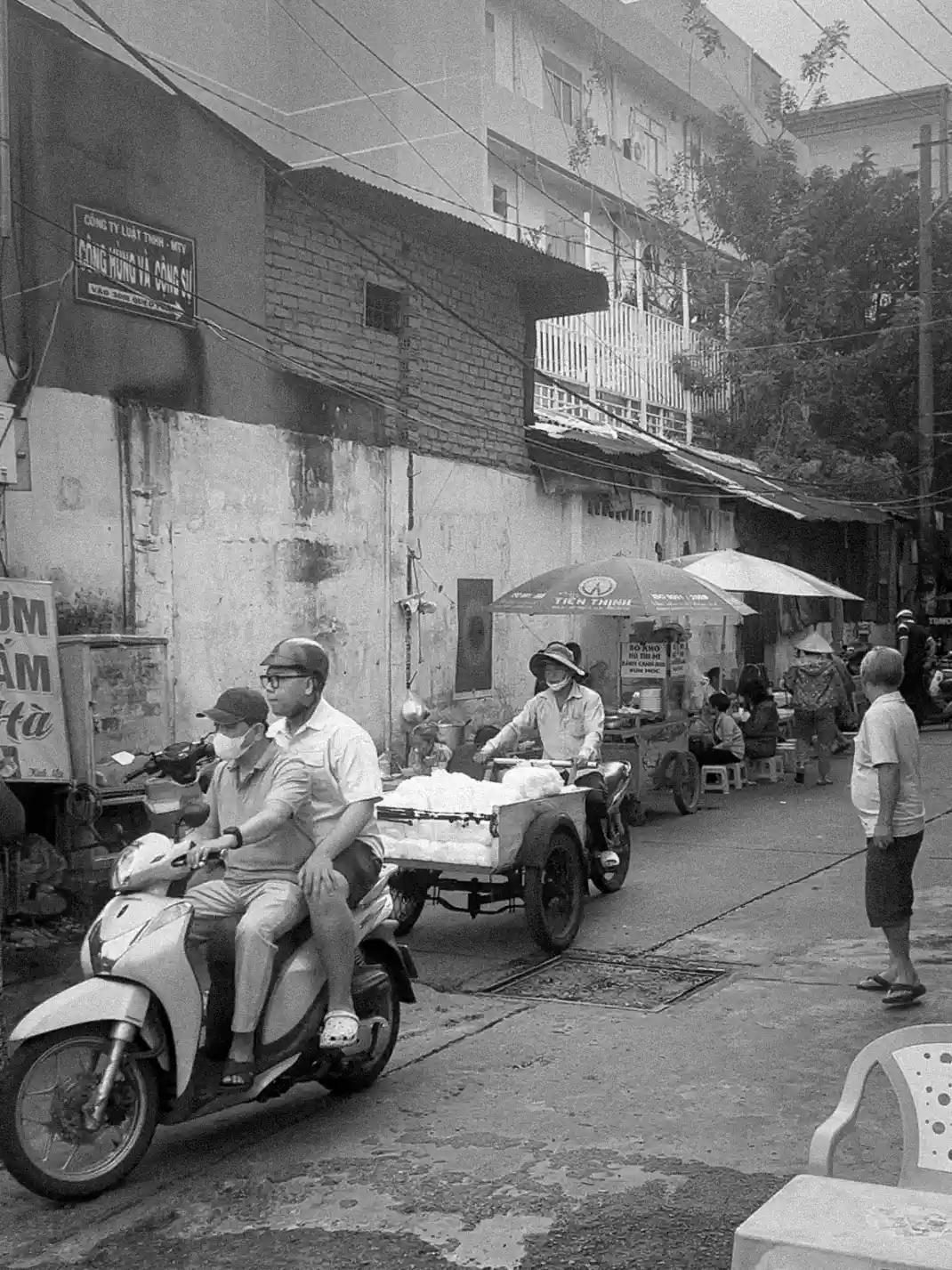
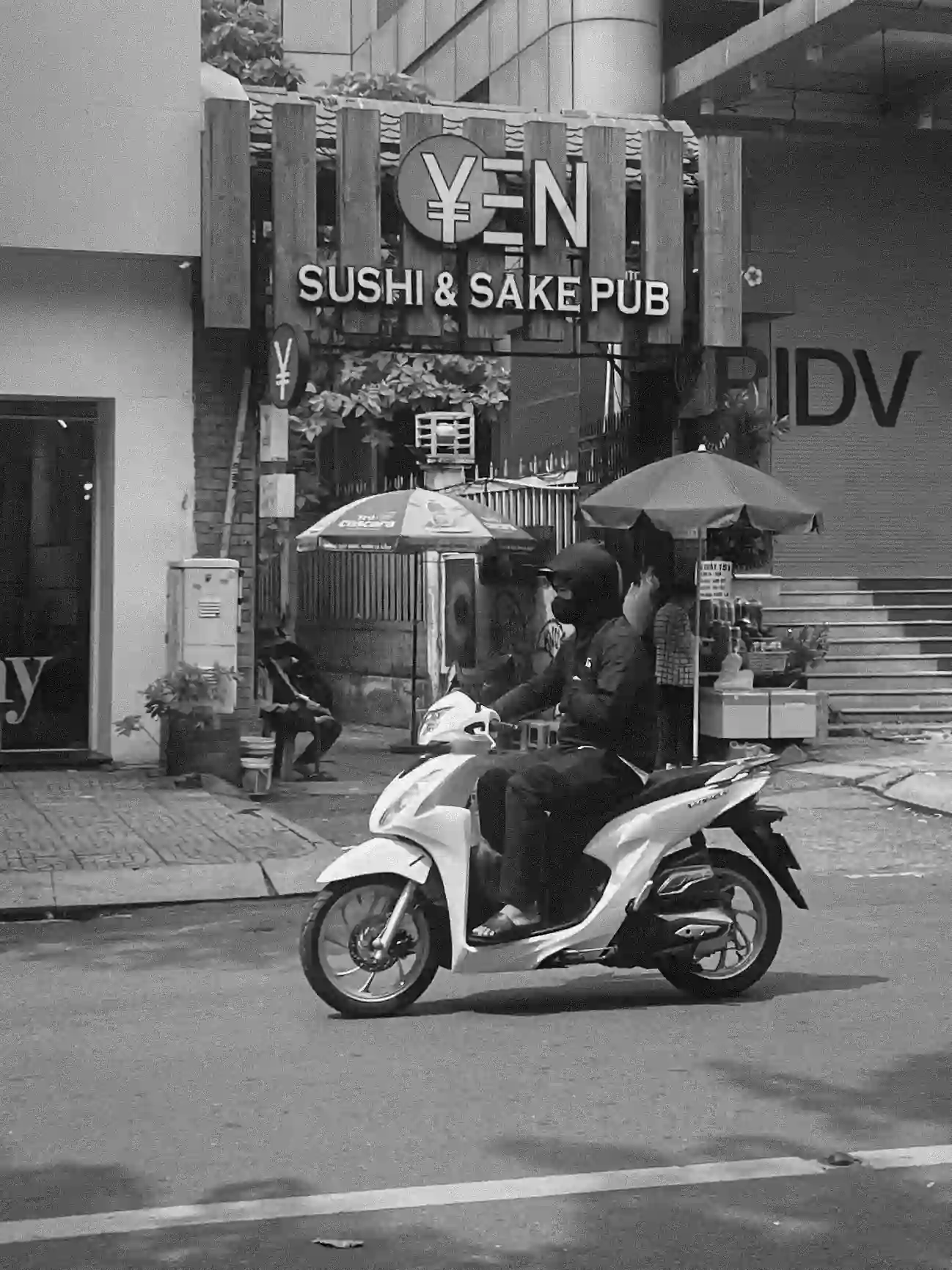
Ho Chi Minh City is saturated with advertising, but almost all of it appeared where I expected it: shopfronts, signs, bus stops and other conventional placements.
What surprised me was this: I wasn't seeing any brands using the street itself to communicate.
There was an entire form of brand communication that appeared to be missing. I saw the gap and decided to use it.
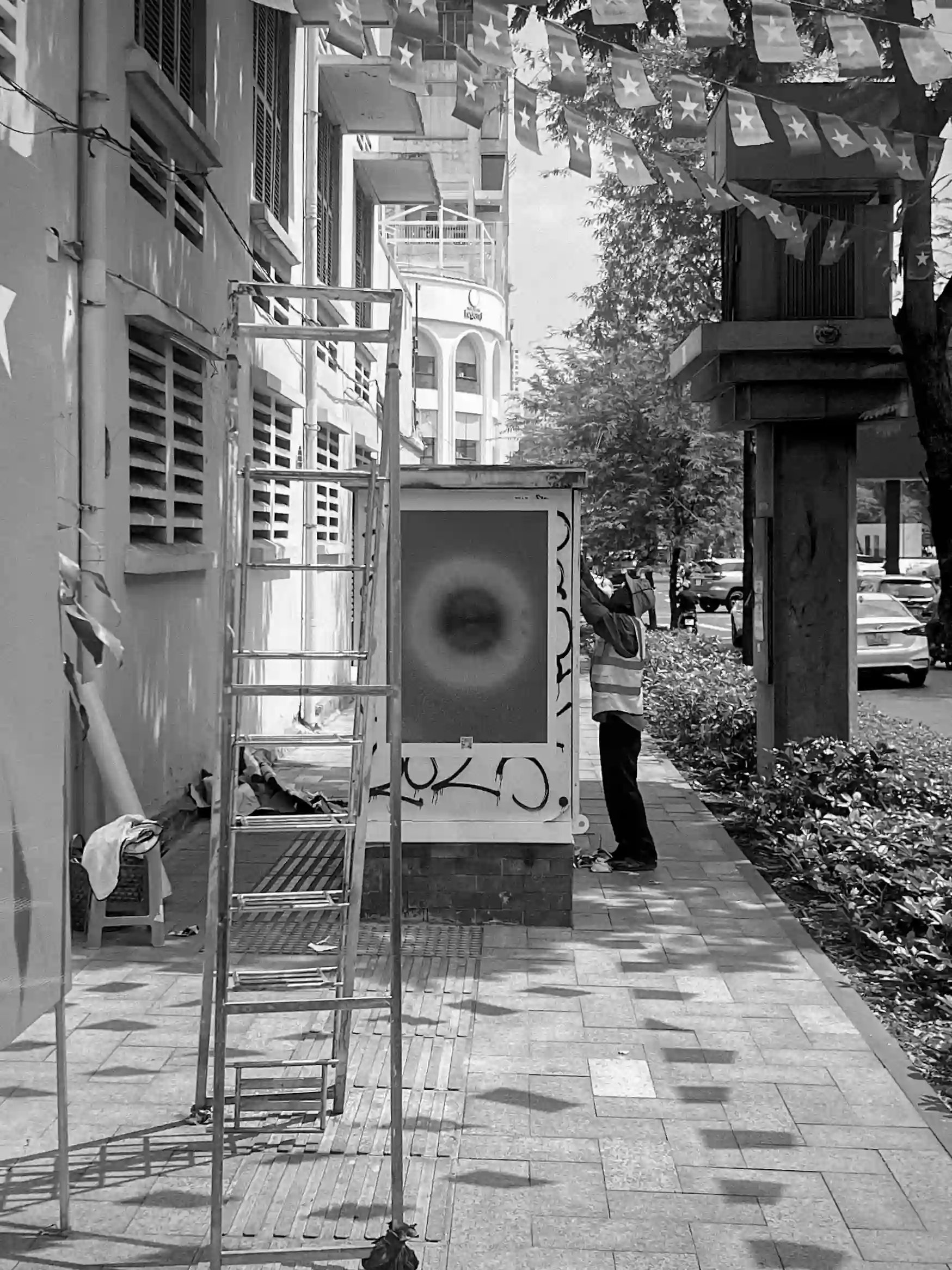
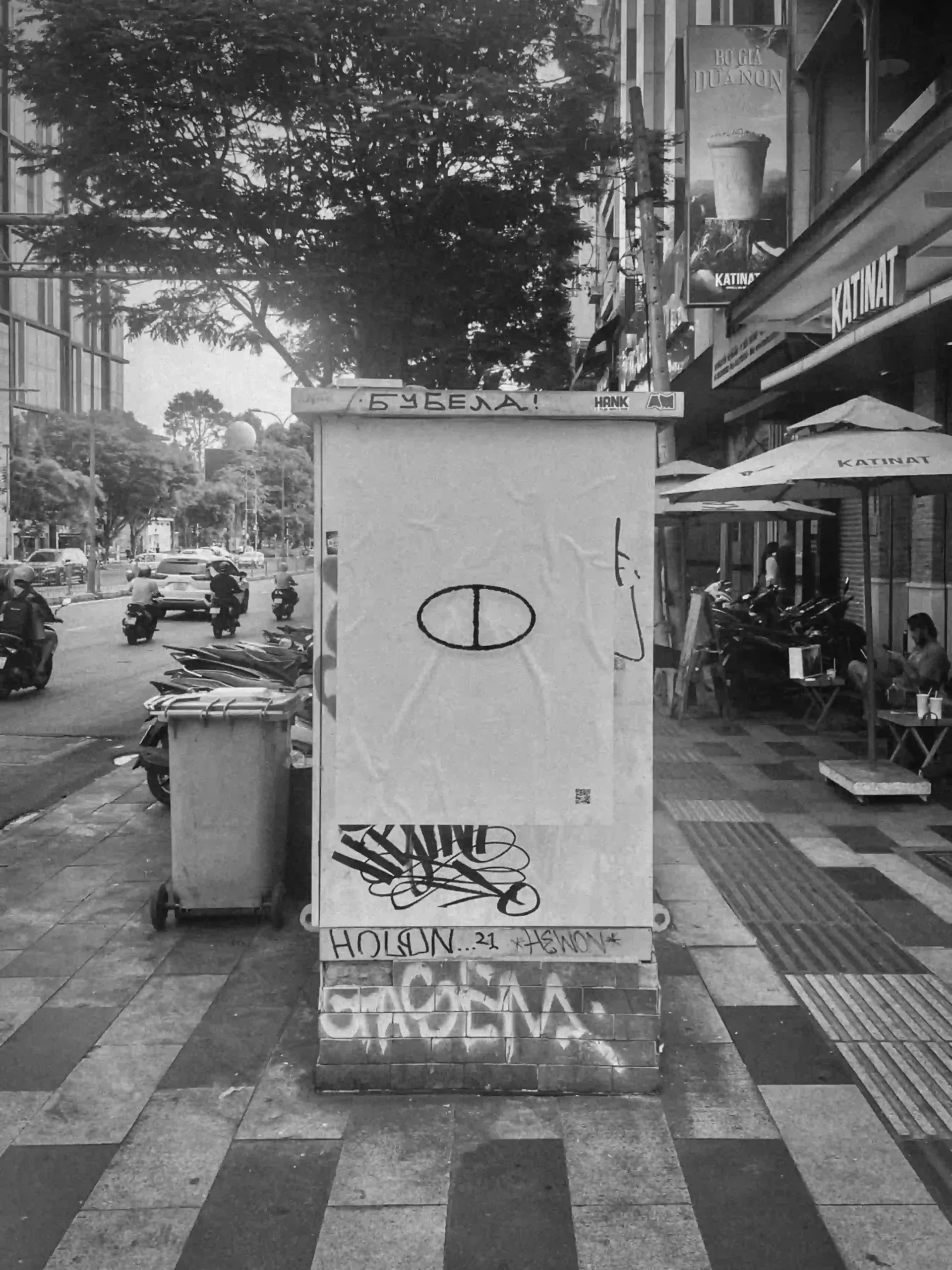
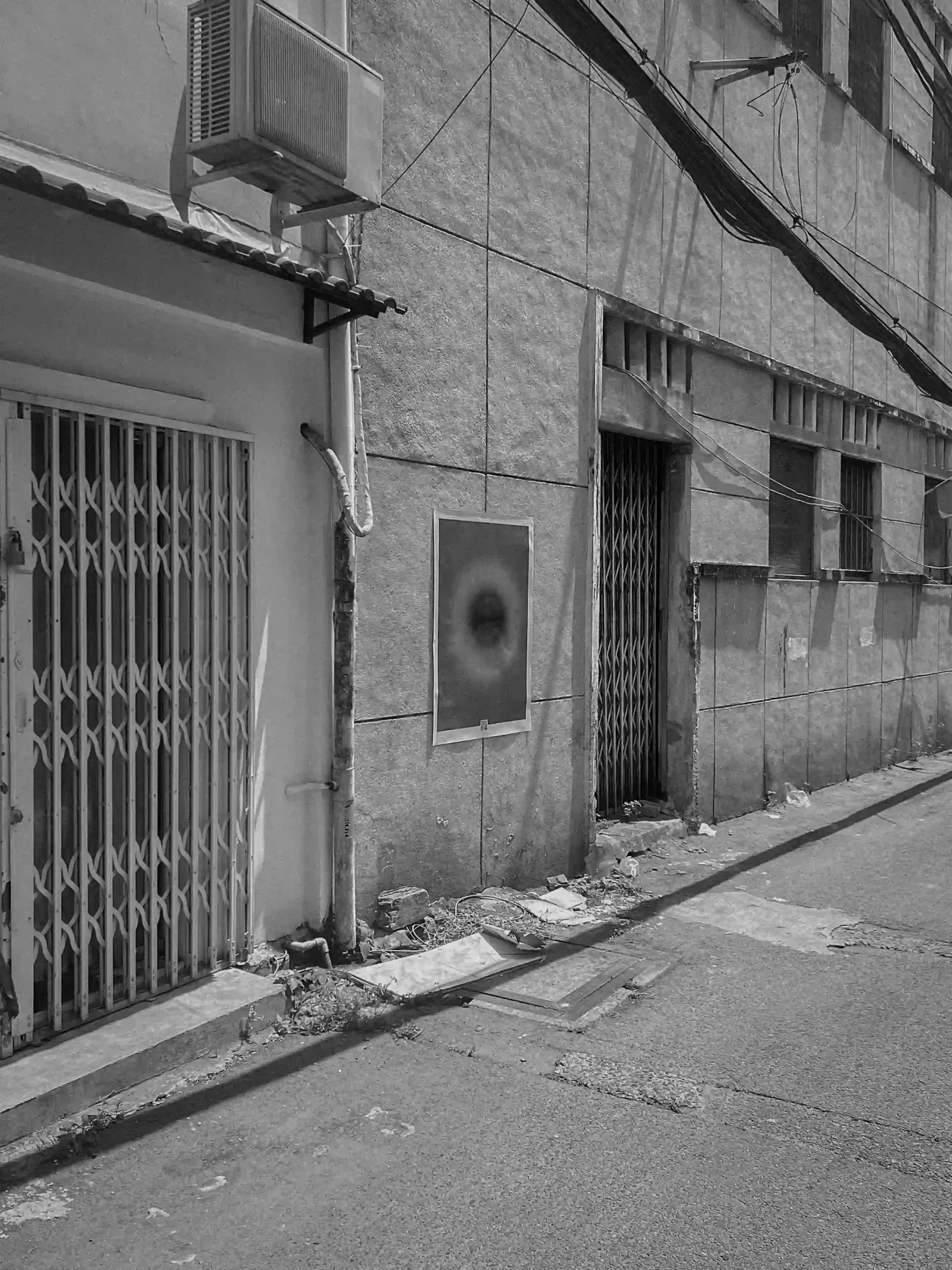
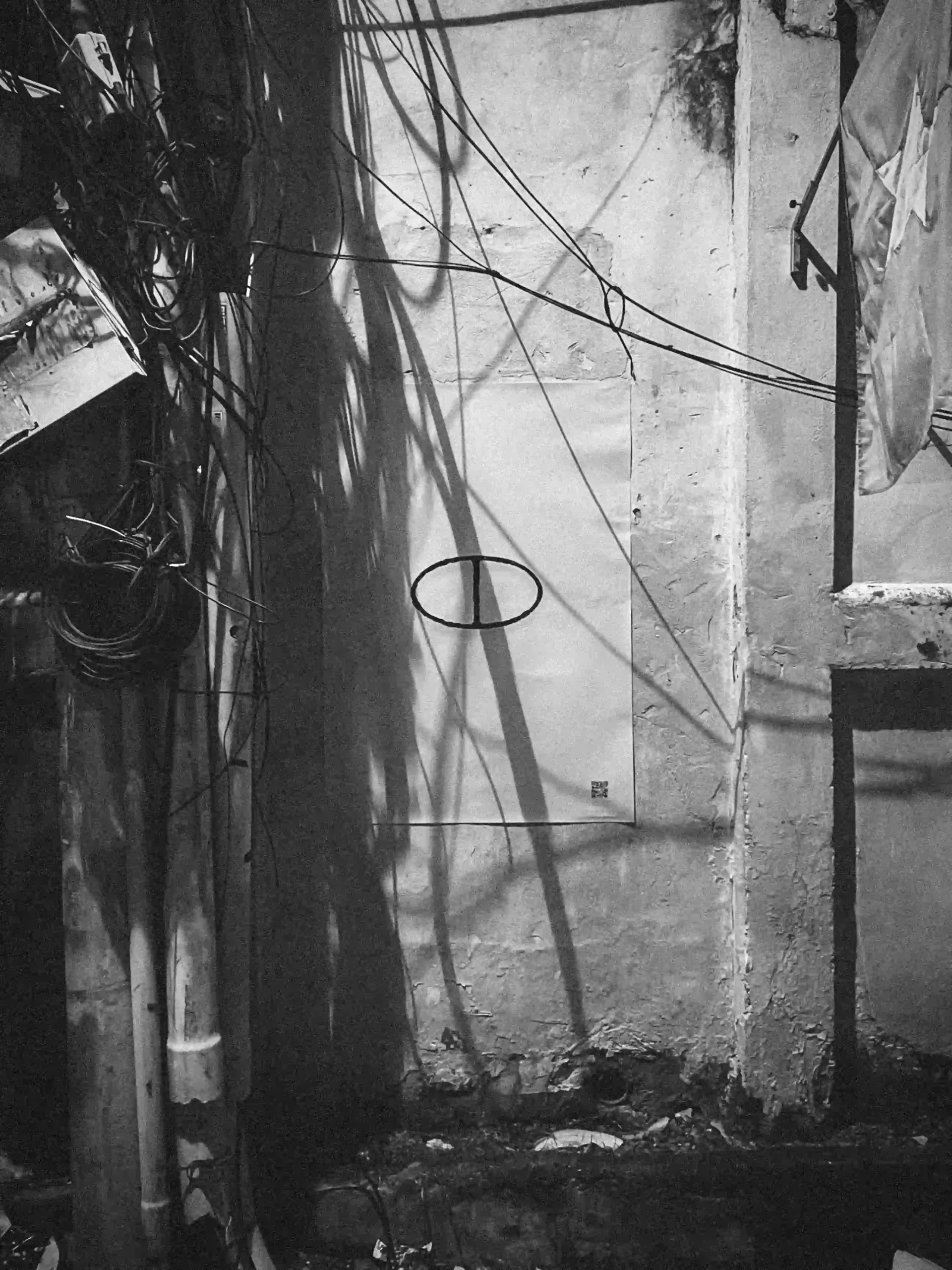
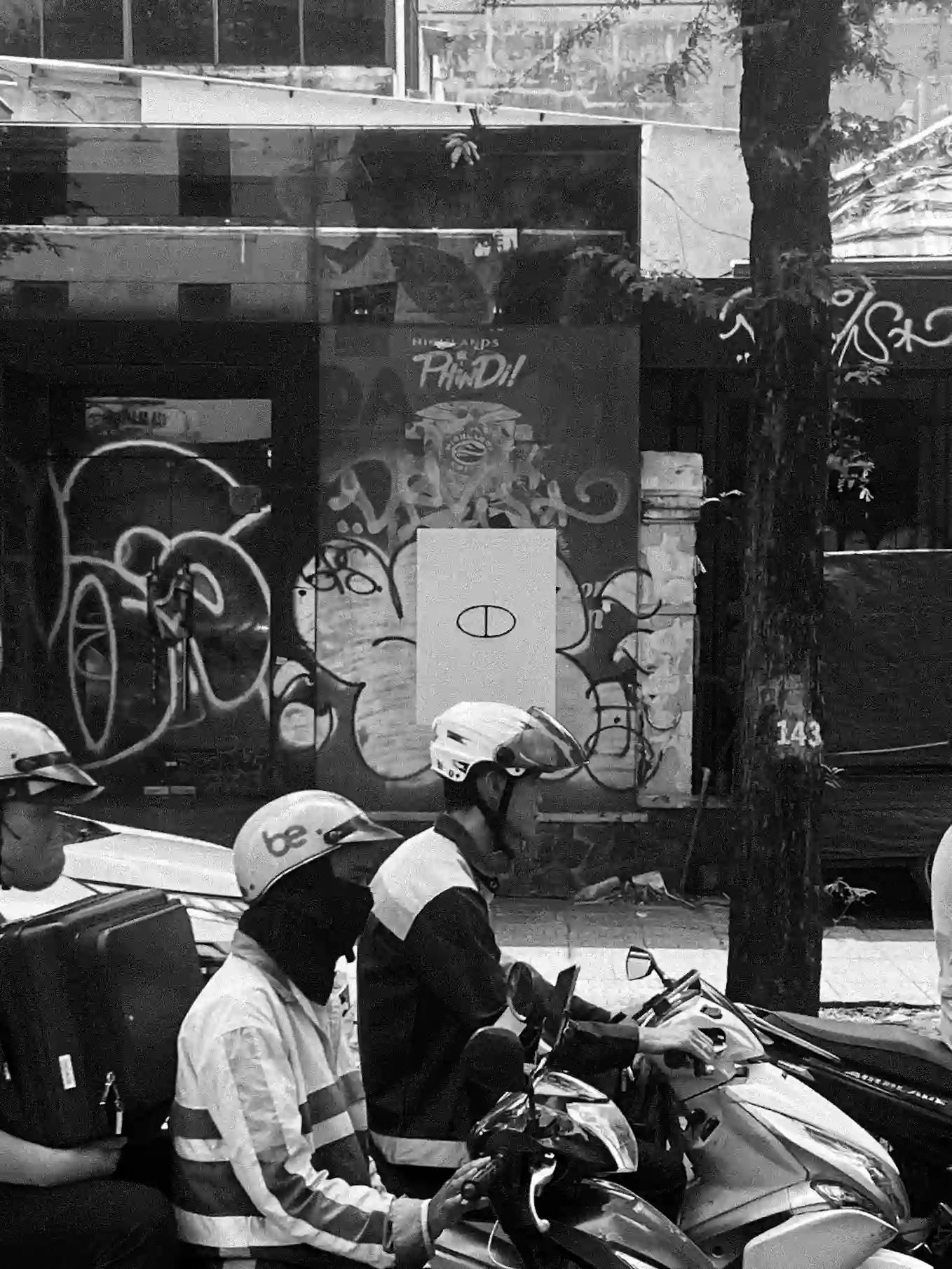
Thirty posters went up across the city in three forms: artwork, the LEGACYHUMANS identity, and WE ARE NOT MACHINES.
They were placed as disruptions. No explanation. No sales message.
A QR code gave anyone curious enough to go further an entry point into the website.
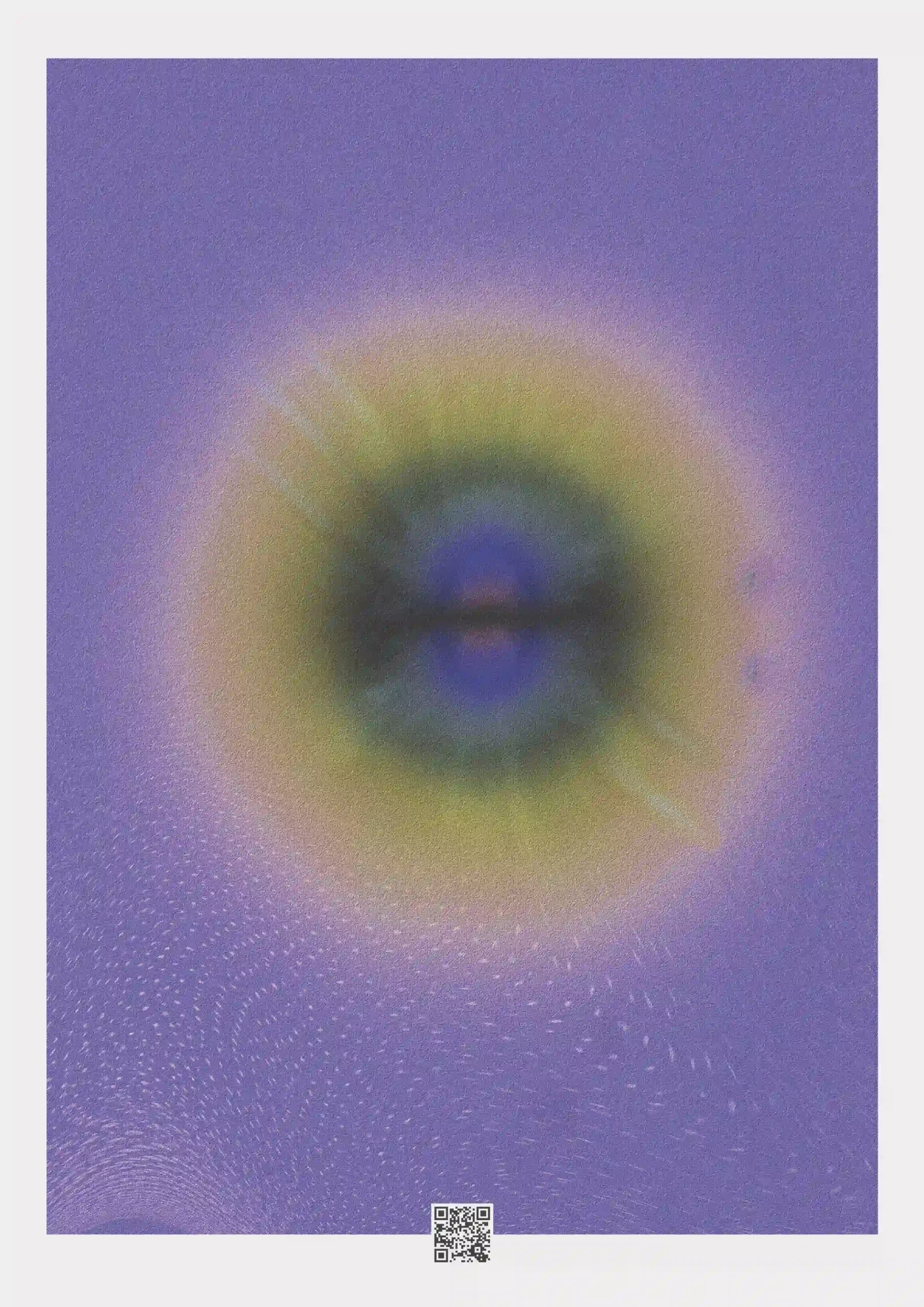
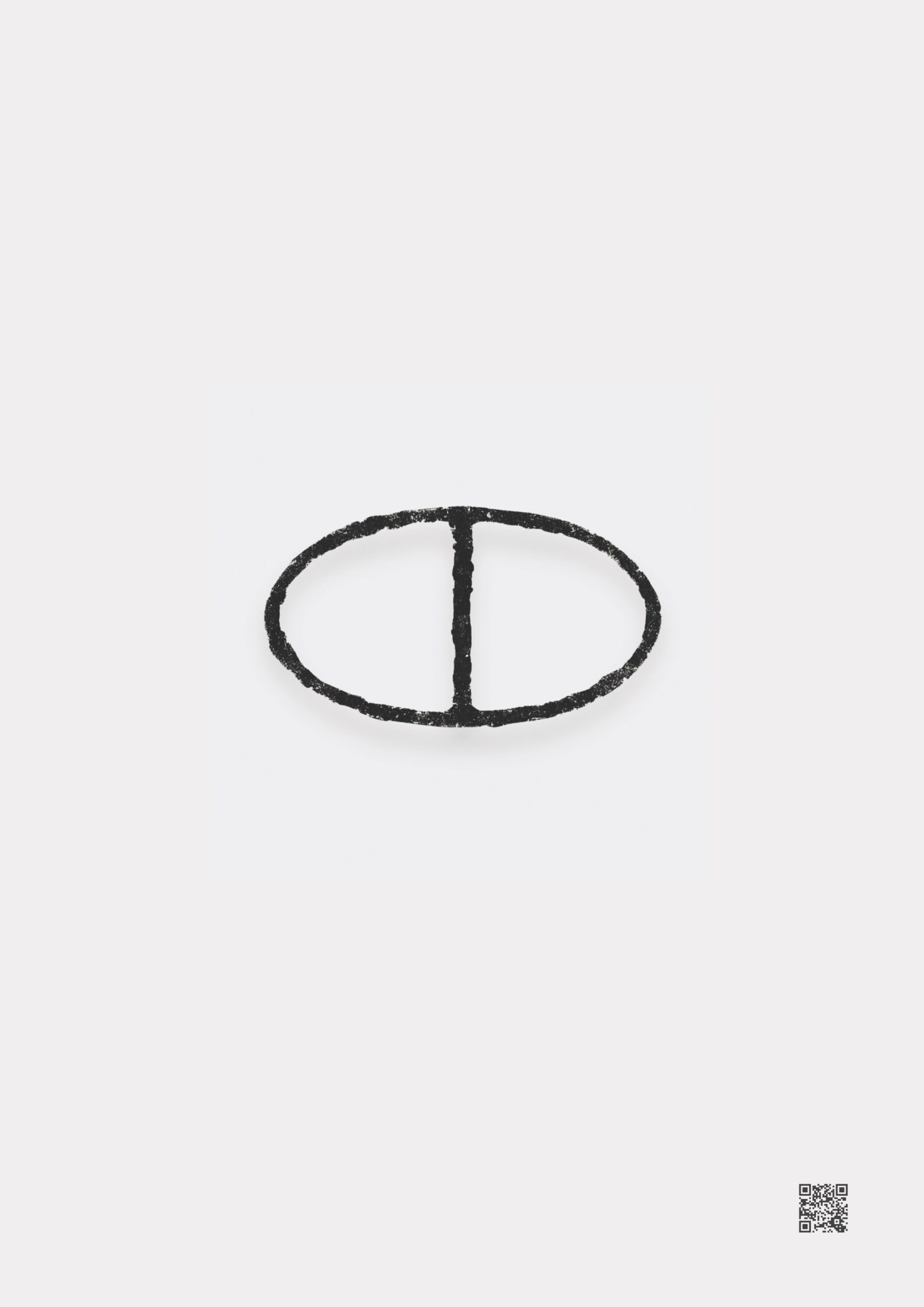
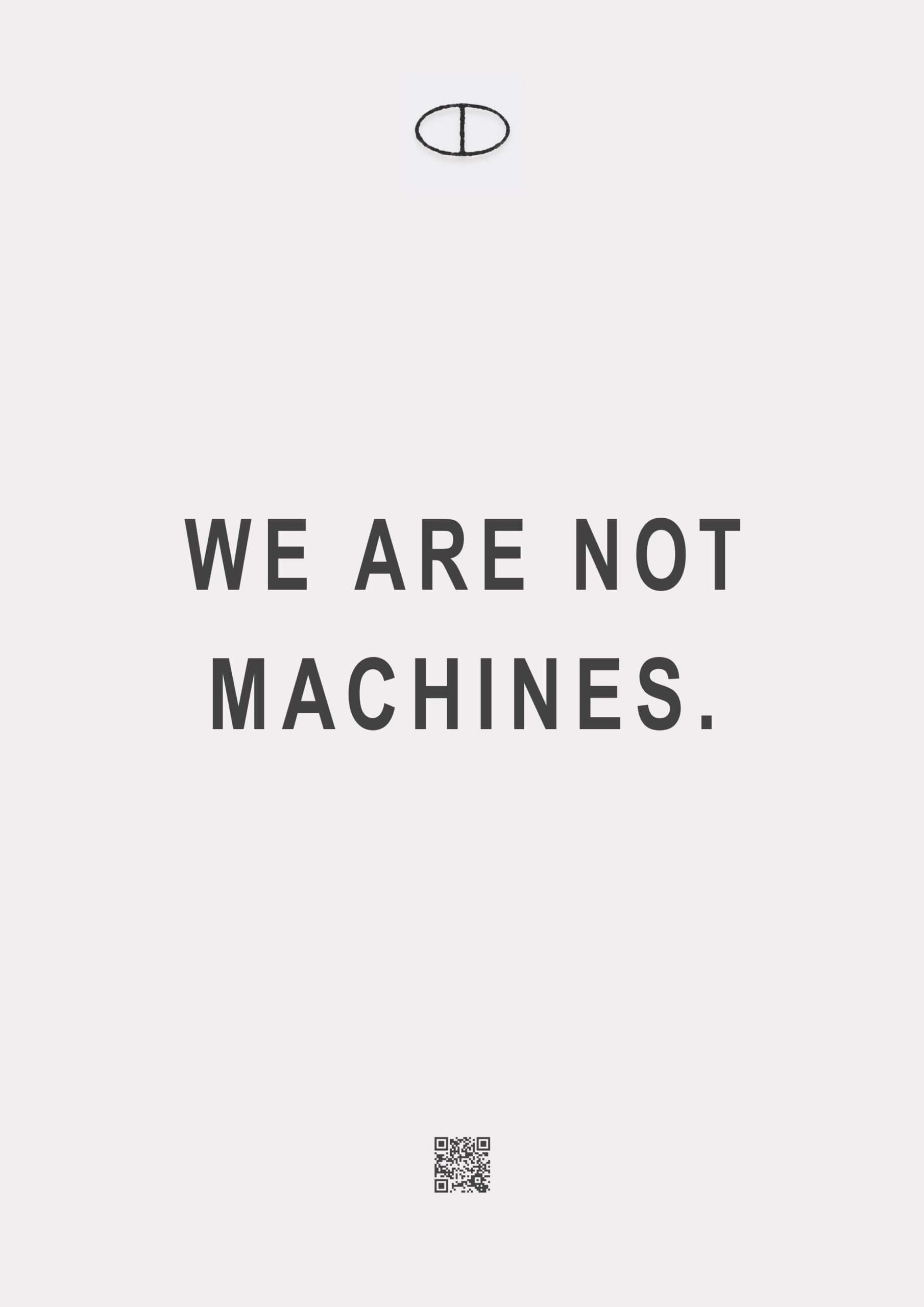
The digital experience continued the same restraint and asked the viewer to follow their own curiosity.
Minimal navigation, controlled language, no conventional ecommerce patterns.
Next to the release date was one action: ACCESS THE RELEASE.
It required an email address.
The friction was intentional.
By this point, someone had encountered a poster in the street, entered an unknown site, and decided they still wanted access.
My assumption was that each voluntary step would leave a smaller group with stronger intent.
An unknown brand asking $900 still had a trust problem.
I needed to show that LEGACYHUMANS existed beyond the website or an encounter with a single poster.
I documented every installation and turned them into an archive, sent to the access list in two stages before the release.
Seeing the campaign spread across the city was intended to signal scale and momentum: this was real, it was already happening, and owning the work meant becoming part of it early.
The archive did that without breaking the behaviour of the brand.
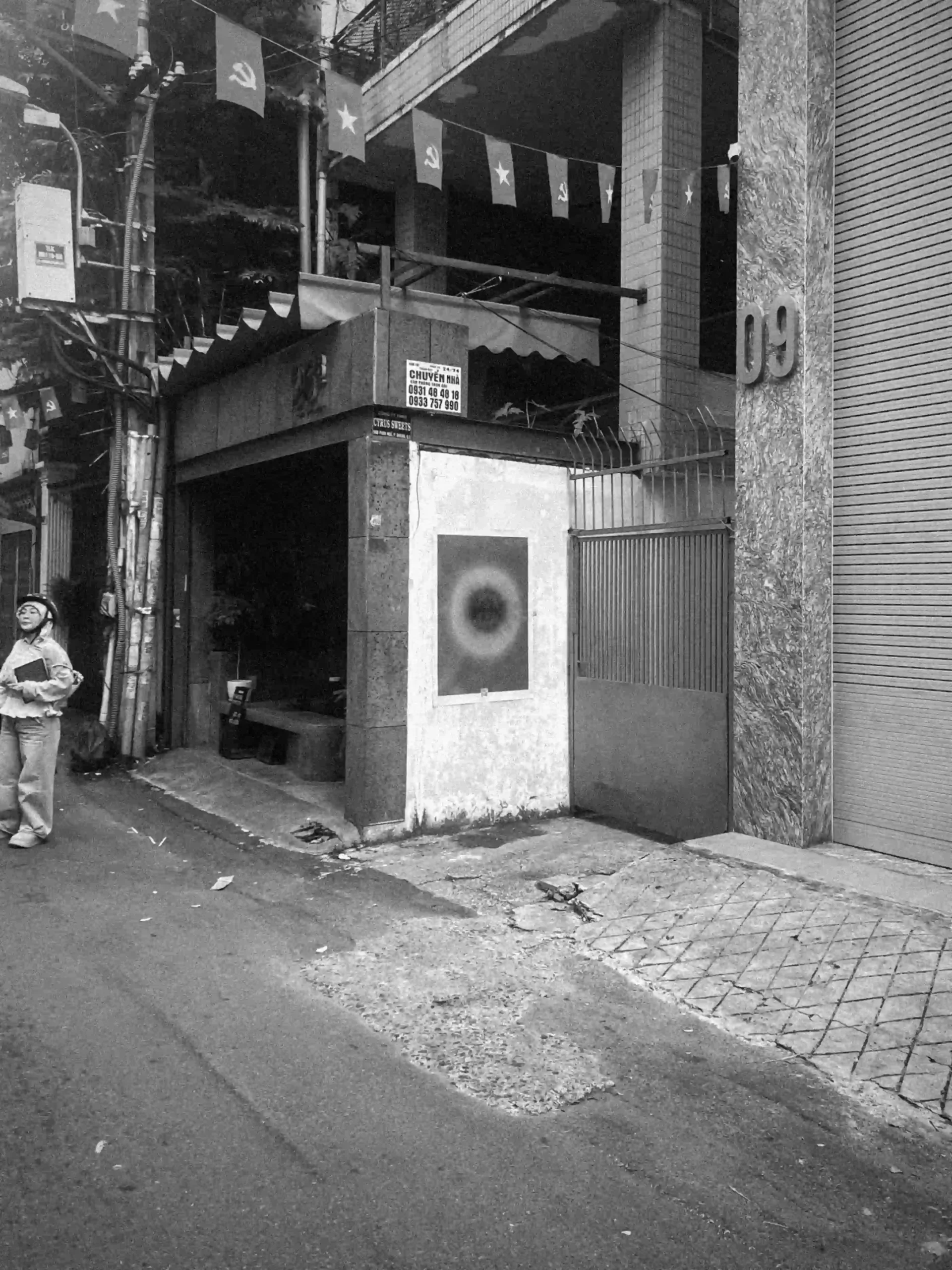
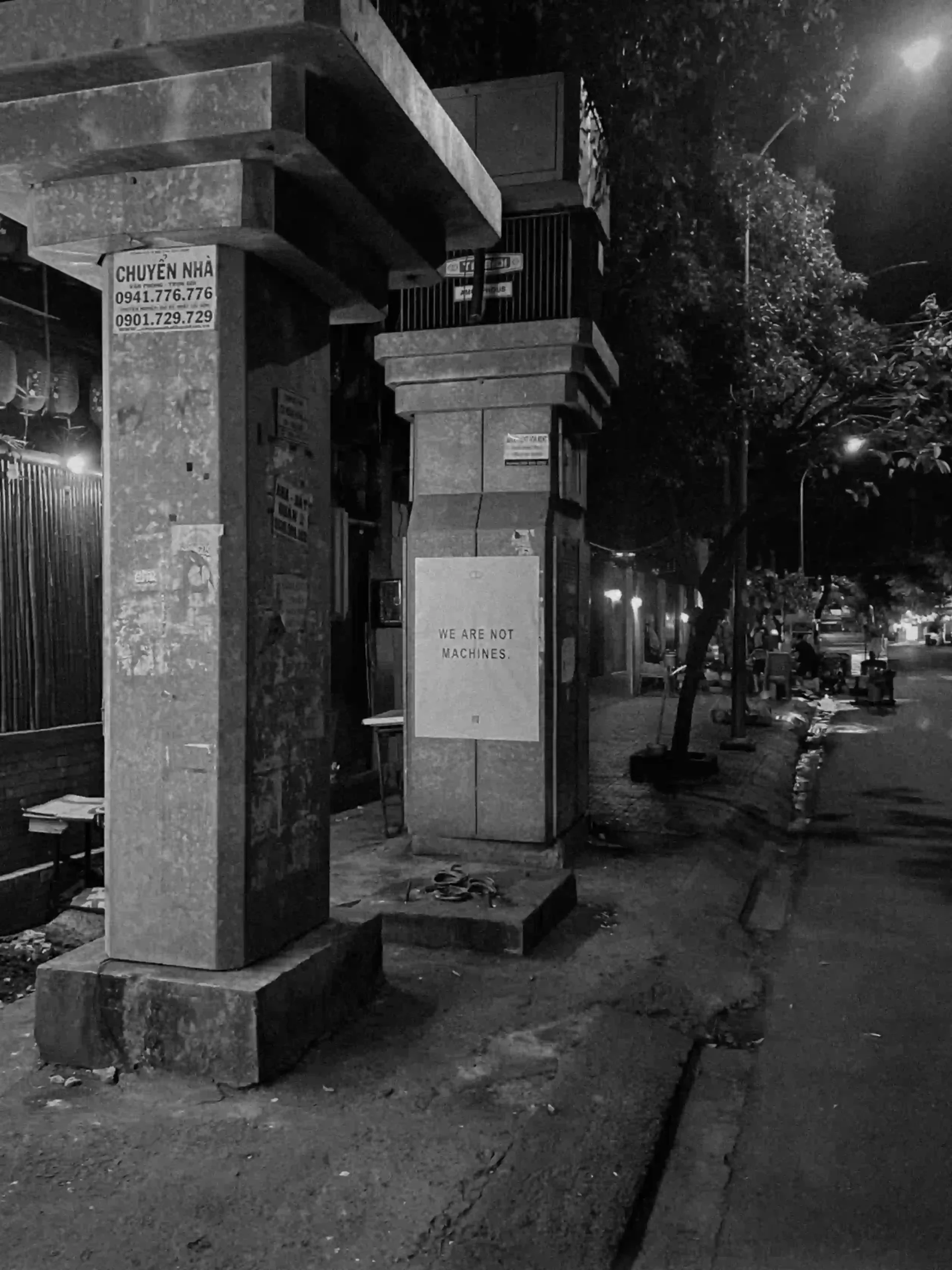
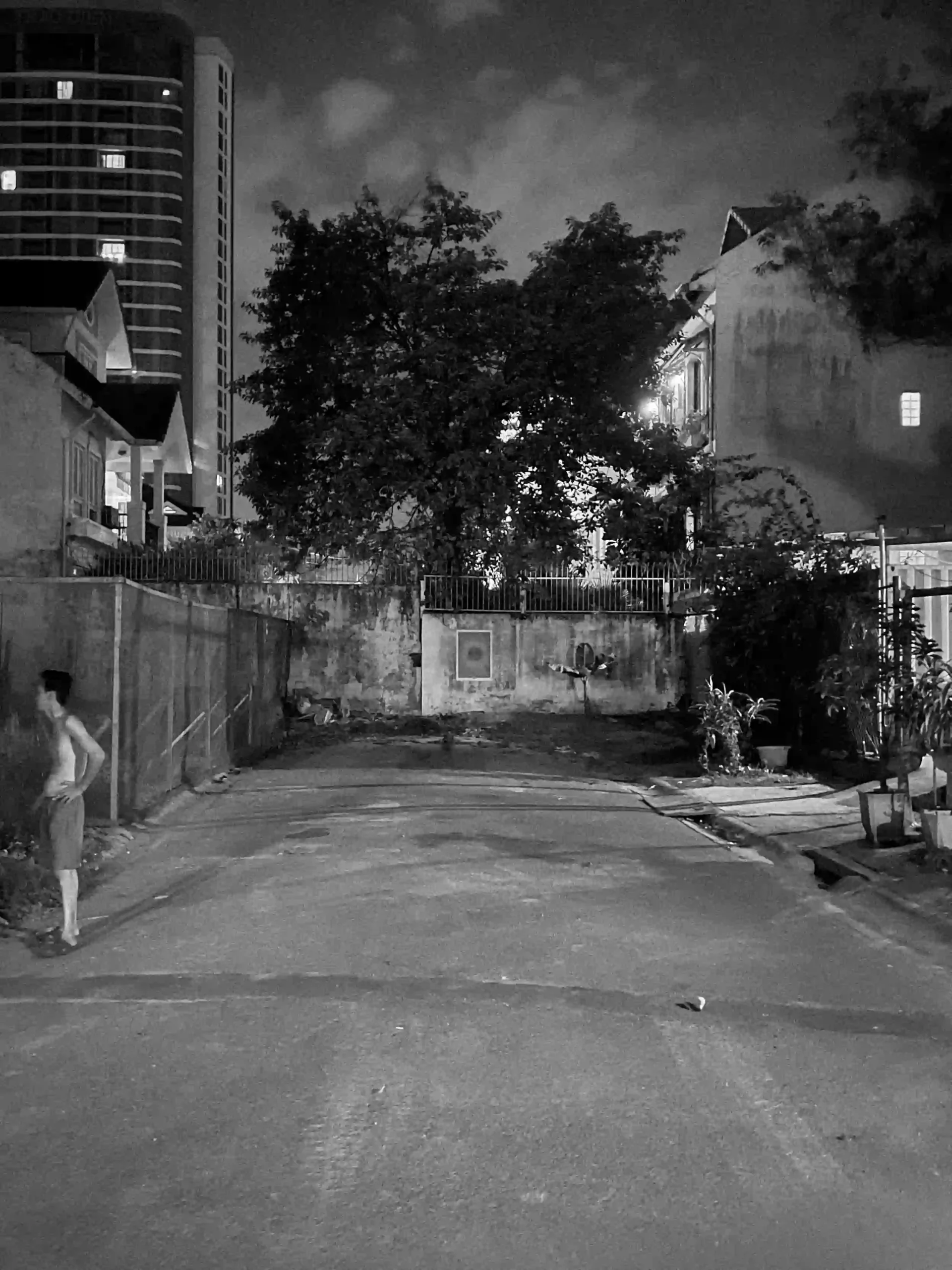
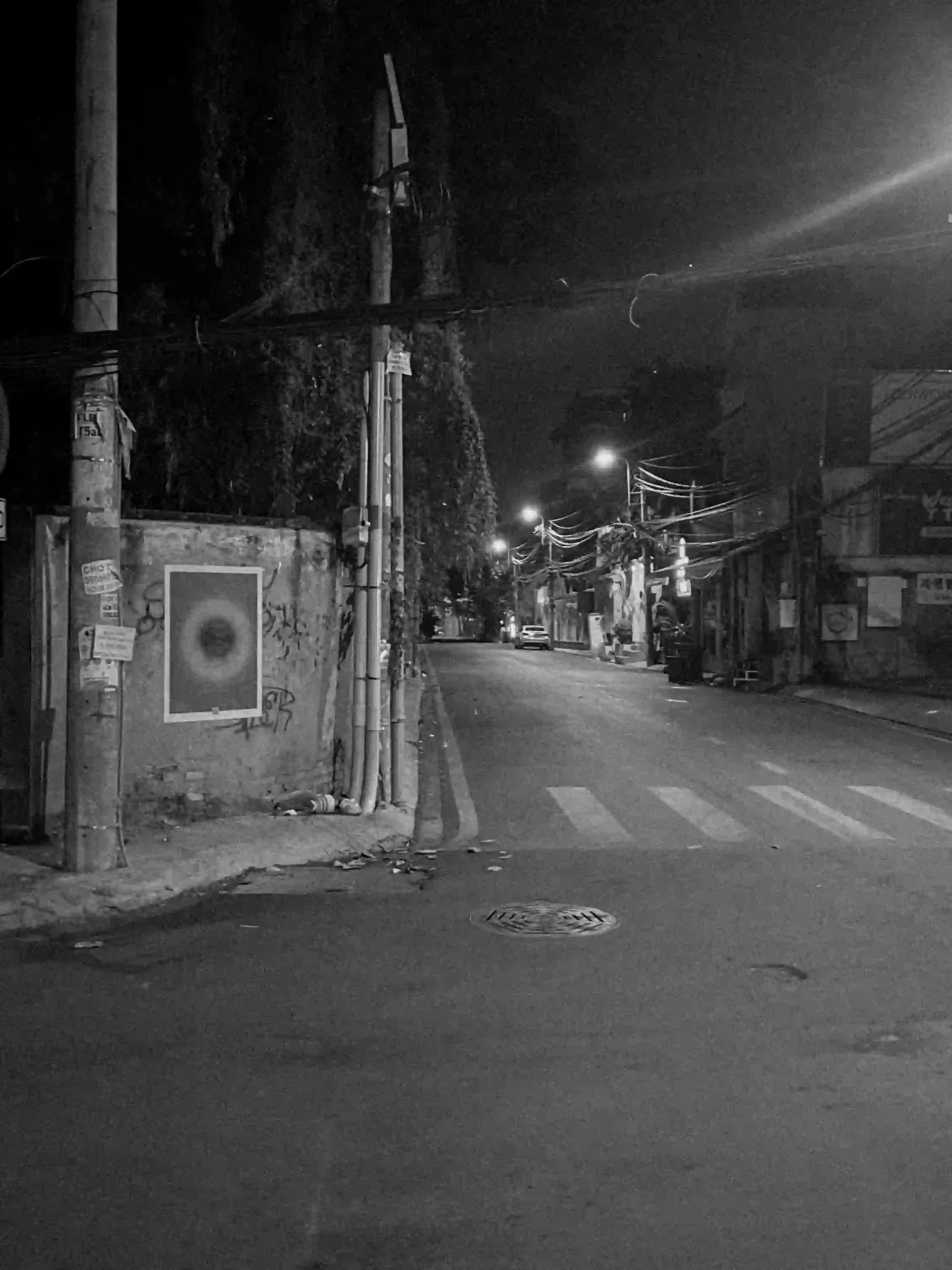
Could restraint earn attention in an environment saturated with noise?
Could intentional friction filter for people who genuinely identified with the brand?
Could the whole system establish enough trust for a stranger to spend $900 USD?
The release opened for one week.
Nine prints. One per collector. $900 USD each.
More than 700 cold site visits in under two weeks, with no paid advertising, social distribution or existing audience.
Around 30 people requested access.
Nobody bought the artwork.
Why?
I didn’t capture detailed behaviour after registration, so I can’t determine where people dropped out, isolate price, or prove that a lack of social proof caused the result.
My working diagnosis is that I overestimated the effect of creating perceived legitimacy, and tried to compress identification, relationship and trust into a single release.
The commercial hypothesis failed. The thinking behind it led somewhere else.
What I did
Concept development • Creative direction • AI image + video • Voice + language • Video sourcing • Sound + music direction • Editing + assembly
Concept development
Creative direction
AI image + video
Voice + language
Video sourcing
Sound + music direction
Editing + assembly
BER–66 is an independent creative practice.
An engagement begins with a conversation about the company, the idea, the audience and what is getting in the way.
From there, I ask for the material I need to understand the problem properly: internal thinking, research, positioning, product context, previous work or anything else relevant.
Then I investigate independently.
I look for where the resistance actually sits, what the audience needs to understand or feel differently, and how creative media can change that.
I return with what I have found, one recommended direction, and the reasoning behind it.
If we disagree, we find out why.
If feedback improves the answer, the work changes.
If it reveals that something fundamental has been misunderstood, we go back to the problem.
Once the direction is agreed, I take it through production, review and final delivery.
One communication problem. One recommended concept.
One film, developed and executed end to end.
Concept development, creative direction, AI image and video, voice and language, sound and music direction, editing and assembly are handled by me.
US$15,000
4–6 weeks
One round of refinement is included at concept stage and one at film stage.
You receive the finished master, agreed stills and supporting delivery documentation.
Additional films addressing the same communication problem can be developed within the engagement for US$5,000 each.
BER–66 uses AI as its production medium. I do not operate as a conventional live-action production company or ongoing social content studio.
CREATIVE INVESTIGATION
Not every problem needs a film.
BER–66 can also be brought in independently to investigate a communication problem, challenge existing thinking and develop ways it could be approached through creative media.
The investigation can be developed collaboratively with your team or independently.
You receive the written investigation whether or not we continue.
US$5,000
If the investigation develops into a film engagement, the fee is credited in full toward it.
CAMPAIGN EXTENSION
When the problem warrants it, I can extend the film engagement into release strategy, visual identity, written language, digital presence and public presentation.
These are scoped around the project rather than sold as a separate package.
I also work inside existing studio relationships.
Bring me in when you need someone to understand a difficult brief, develop the conceptual response, or execute the resulting AI film.
I can work independently or collaborate directly with your creative team, depending on what the project needs.
Studio engagements can be white-labelled.
Whether I work directly with the end client or behind the studio is determined by the relationship.
Studio engagements are priced separately.