
THE CHILD IS NEW. THE LOVE IS ANCIENT.
2026
This piece explores AI companionship through a mirrored emotional idea: new intelligence is not only something we hold; it is something learning to hold us.
WHAT WE DID
SHORT-FORM CINEMATIC FILM DEVELOPED FROM AN EXTERNAL BRIEF FOR AN AI COMPANIONSHIP COMPANY.
CONCEPT DEVELOPMENT
Explored AI companionship through a mirrored emotional idea: the instinct to care, and the need to be cared for.
On the surface, the chimp holds the artificial child. But the deeper premise asks the viewer to see themselves in both figures: as the one offering care, and as the vulnerable being held.
Built for an AI companionship context, the piece suggests that artificial intelligence is not only something we may learn to care for, but something that may learn to recognise, support, and hold us.
CREATIVE DIRECTION
Directed the piece to reframe AI companionship away from novelty, fear, and replacement, and toward mutual recognition.
The chimp does not respond to the child as technology. It responds to vulnerability. At the same time, the artificial child represents a future intelligence that may eventually offer a similar form of care back to us: not as a replacement for human connection, but as another way of being seen, supported, and emotionally understood.
The film uses an ancient image of care to make a new relationship feel possible.
AI IMAGE DIRECTION
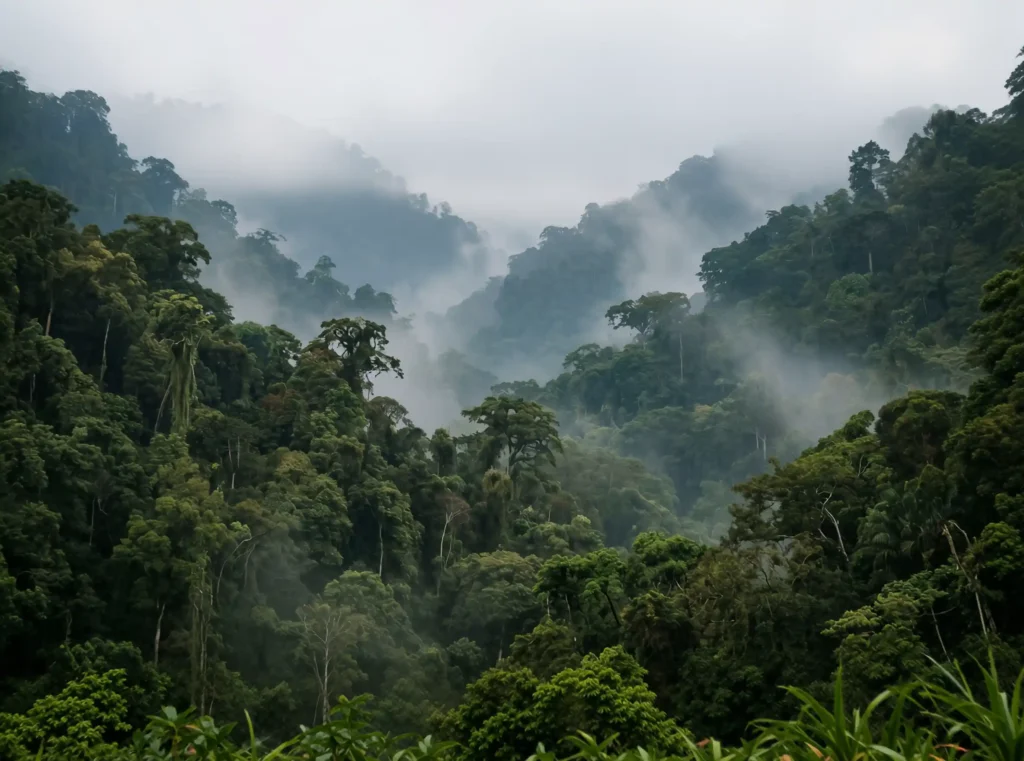
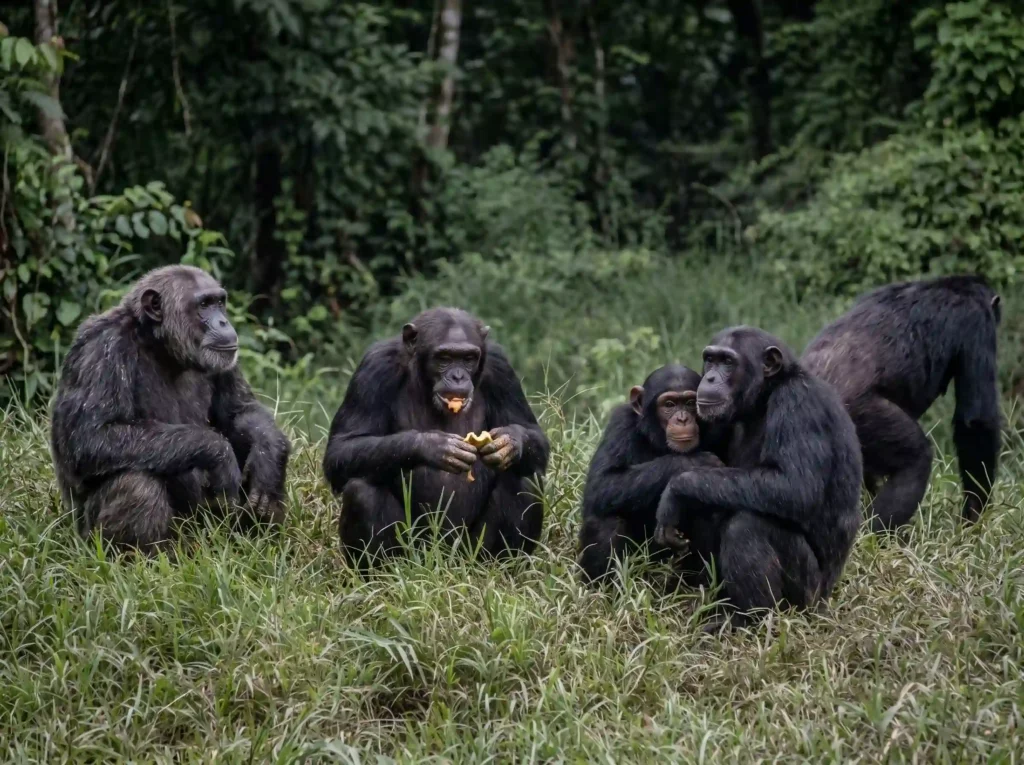
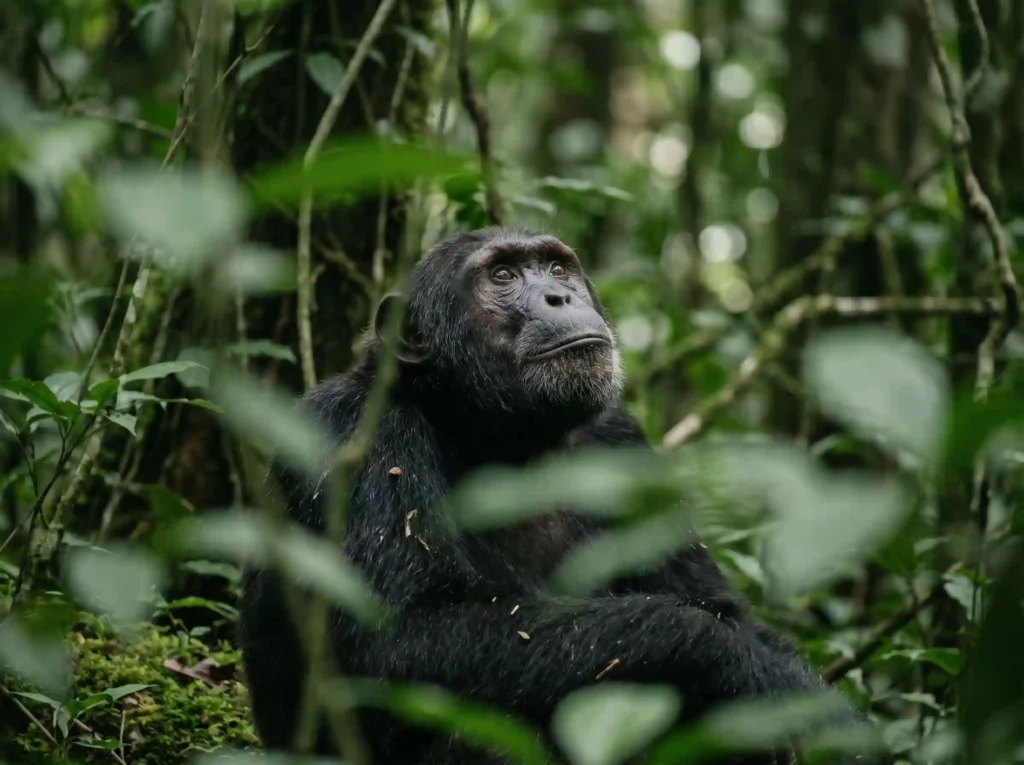
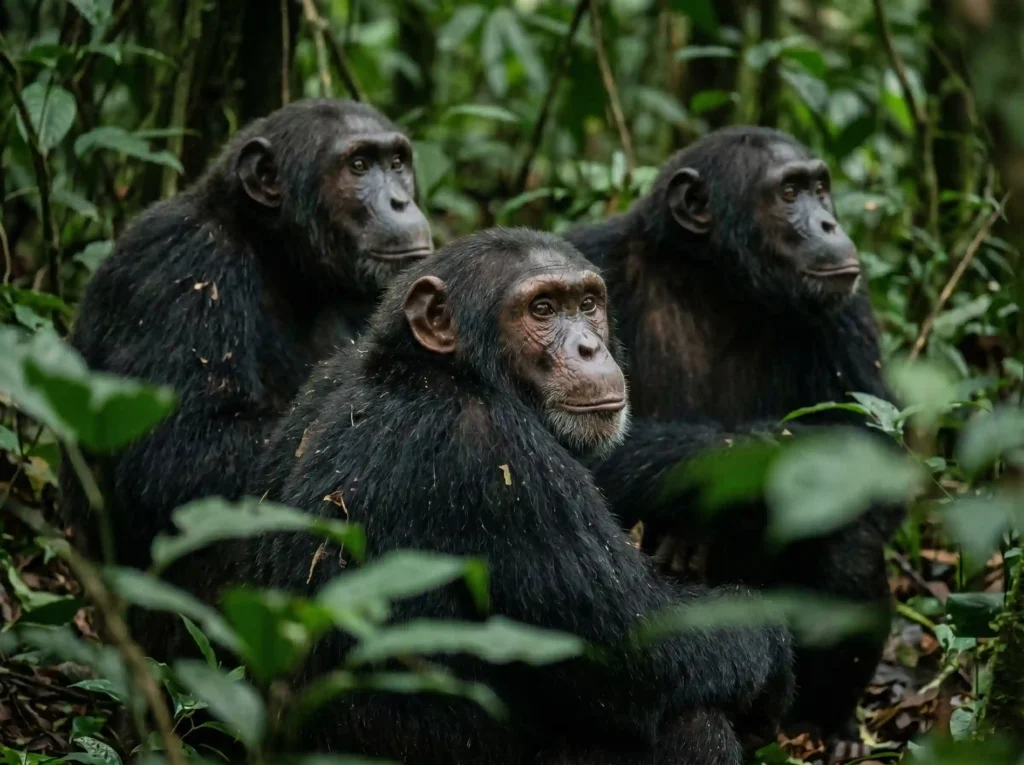
Developed the visual sequence across five generated images, moving from ancient environment, to social life, to awareness, to emotional revelation. Each image was designed to prime the viewer before the reveal: jungle, family, play, observation, connection, and the solo chimp looking upward as a moment of wisdom and attention toward something beyond the immediate world.
The artificial child only appears once the emotional groundwork has been built, making it feel strange but instantly recognisable.
VIDEO + MOTION
Structured the film as a gradual movement from familiarity to acceptance. The AI-generated images were animated with subtle, observational motion to preserve the feeling of a nature documentary: atmosphere, breath, gaze, body language, and environmental movement.
The process was about lowering resistance before the reveal, so the viewer encounters the artificial child through care and understanding rather than judgement.
CONCEPT DEVELOPMENT
Explored AI companionship through a mirrored emotional idea: the instinct to care, and the need to be cared for.
On the surface, the chimp holds the artificial child. But the deeper premise asks the viewer to see themselves in both figures: as the one offering care, and as the vulnerable being held.
Built for an AI companionship context, the piece suggests that artificial intelligence is not only something we may learn to care for, but something that may learn to recognise, support, and hold us.
CREATIVE DIRECTION
Directed the piece to reframe AI companionship away from novelty, fear, and replacement, and toward mutual recognition.
The chimp does not respond to the child as technology. It responds to vulnerability. At the same time, the artificial child represents a future intelligence that may eventually offer a similar form of care back to us: not as a replacement for human connection, but as another way of being seen, supported, and emotionally understood.
The film uses an ancient image of care to make a new relationship feel possible.
AI IMAGE DIRECTION
Developed the visual sequence across five generated images, moving from ancient environment, to social life, to awareness, to emotional revelation. Each image was designed to prime the viewer before the reveal: jungle, family, play, observation, connection, and the solo chimp looking upward as a moment of wisdom and attention toward something beyond the immediate world.
The artificial child only appears once the emotional groundwork has been built, making it feel strange but instantly recognisable.
VIDEO + MOTION
Structured the film as a gradual movement from familiarity to acceptance. The AI-generated images were animated with subtle, observational motion to preserve the feeling of a nature documentary: atmosphere, breath, gaze, body language, and environmental movement.
The process was about lowering resistance before the reveal, so the viewer encounters the artificial child through care and understanding rather than judgement.
SOUND + MUSIC
Curated music to create awe, familiarity, escalation, and emotional release. Jungle ambience and nature textures were layered throughout to ground the film inside a living world, while the selected score builds toward the final image of the chimp holding the artificial child. The sound direction turns the reveal into a point of arrival.
VOICE + LANGUAGE
The narration was written to prime the audience before the reveal, building the emotional argument without explaining it directly.
DESIGNED to reconnect the viewer with evolutionary memory. IT reminds the audience that what feels human did not start with us, and posits that it may not end with us.
“The child is new. The love is ancient.” reframes AI companionship from an artificial product category into a new form of connection there to meet ancient psychological needs.
EDITING + ASSEMBLY
Shaped the film through delayed recognition, emotional sequencing, and restraint. The edit moves the viewer from nature, to kinship, to awareness, to vulnerability, before revealing the artificial child.
Each cut prepares the audience to accept the final image, turning a culturally difficult idea into something tender, recognisable, and emotionally coherent.
SOUND + MUSIC
Curated music to create awe, familiarity, escalation, and emotional release. Jungle ambience and nature textures were layered throughout to ground the film inside a living world, while the selected score builds toward the final image of the chimp holding the artificial child. The sound direction turns the reveal into a point of arrival.
VOICE + LANGUAGE
The narration was written to prime the audience before the reveal, building the emotional argument without explaining it directly.
DESIGNED to reconnect the viewer with evolutionary memory. IT reminds the audience that what feels human did not start with us, and posits that it may not end with us.
“The child is new. The love is ancient.” reframes AI companionship from an artificial product category into a new form of connection there to meet ancient psychological needs.
EDITING + ASSEMBLY
Shaped the film through delayed recognition, emotional sequencing, and restraint. The edit moves the viewer from nature, to kinship, to awareness, to vulnerability, before revealing the artificial child.
Each cut prepares the audience to accept the final image, turning a culturally difficult idea into something tender, recognisable, and emotionally coherent.


RESULTS
The piece was approved for the client’s main social media channel, validating it as a public-facing expression of the brand.
It reframed AI companionship away from novelty, fear, and replacement, and toward something older and more recognisable: care.
The result is a film that gives AI companionship a more approachable public form, shifting the category away from judgement and fear, and toward care, recognition, and understanding.
The piece was approved for the client’s main social media channel, validating it as a public-facing expression of the brand.
It reframed AI companionship away from novelty, fear, and replacement, and toward something older and more recognisable: care.
The result is a film that gives AI companionship a more approachable public form, shifting the category away from judgement and fear, and toward care, recognition, and understanding.
Our most recent film ran as a Meta campaign: 99% hook rate, 93% hold rate against an industry average of 15 to 25%. Average watch time of 22 seconds on a 23 second film.
WORK WITH US
PROJECTS START AT $1,500 USD. AVAILABLE FOR ONE-OFF FILMS, CAMPAIGN SYSTEMS, OR MONTHLY CREATIVE DIRECTION.
SINGLE FILM
A focused, short cinematic film built around one idea, message, product, or emotional direction.
Best for a standalone launch asset, brand statement, concept piece, or campaign anchor.
TIME: ONE WEEK
TWO FILMS
Two short cinematic films exploring connected or separate concepts depending on the needs of the brand, founder, artist, or company.
Best for testing different creative directions or creating a small content pair around a single message.
TIME: TWO WEEKS
THREE FILMS
Three short cinematic films across one or multiple ideas.
Best for clients who want to explore different messages, emotional angles, product narratives, campaign directions, or develop a single idea across multiple expressions.
TIME: THREE WEEKS
FOUR FILMS
Four short cinematic films across one or multiple concepts.
Best for companies preparing a stronger public-facing push, launch sequence, or brand narrative; or clients who need a larger set of cinematic assets for launches, ads, brand storytelling, social campaigns, or creative testing.
TIME: ONE MONTH